Introduction to Haiku Poetry
Haiku is a traditional form of Japanese poetry that distils emotion, nature, and fleeting moments into just three lines. Originally rooted in the opening stanza of collaborative renga poems, haiku evolved into a standalone art form celebrated for its brevity and depth.
Classic haiku follows a 5–7–5 syllable pattern, though modern interpretations often favour rhythm and imagery over strict structure. What defines haiku is not just its form, but its spirit: a quiet observation, a seasonal whisper, or a sudden shift in perception. Each poem invites the reader to pause—to feel the chill of winter, the hush of moonlight, or the echo of solitude.
“Echoes of Solitude”

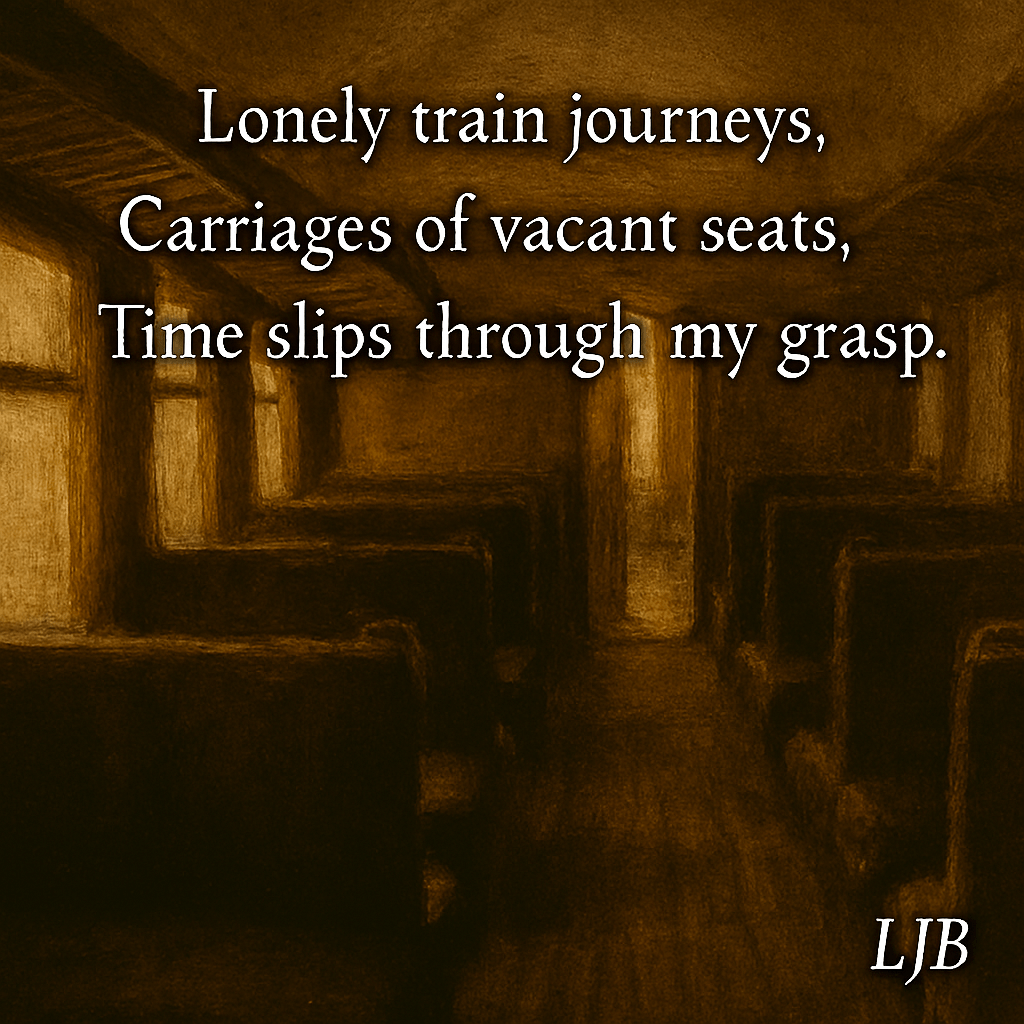



Silence of courage






 Poetry of My Life